Latest Articles on Fractional CFO 149 articles
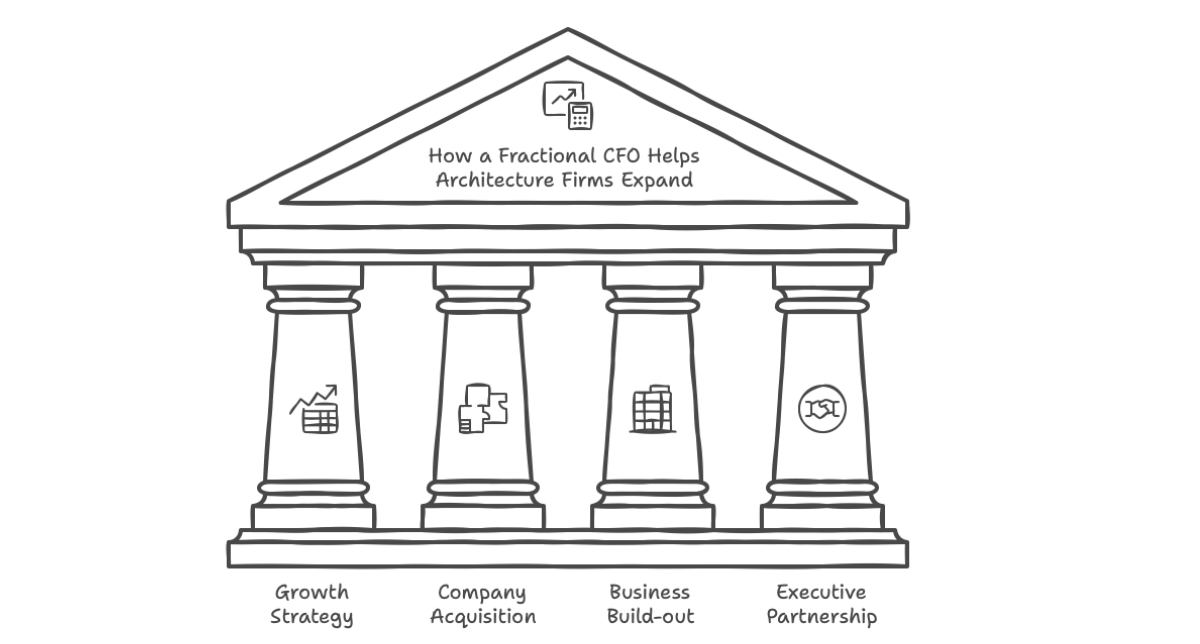
How Does a Fractional CFO Help an Architecture Firm Expand Into Construction?
Design firms win awards; meanwhile, builders win margins. As a result, moving from one to the other changes a business’s entire financial profile. Revenue gets bigger, cash gets tighter, and a single estimating error can erase a year of design fees. Cutler Architects is making that move, and we are the financial team helping them […]
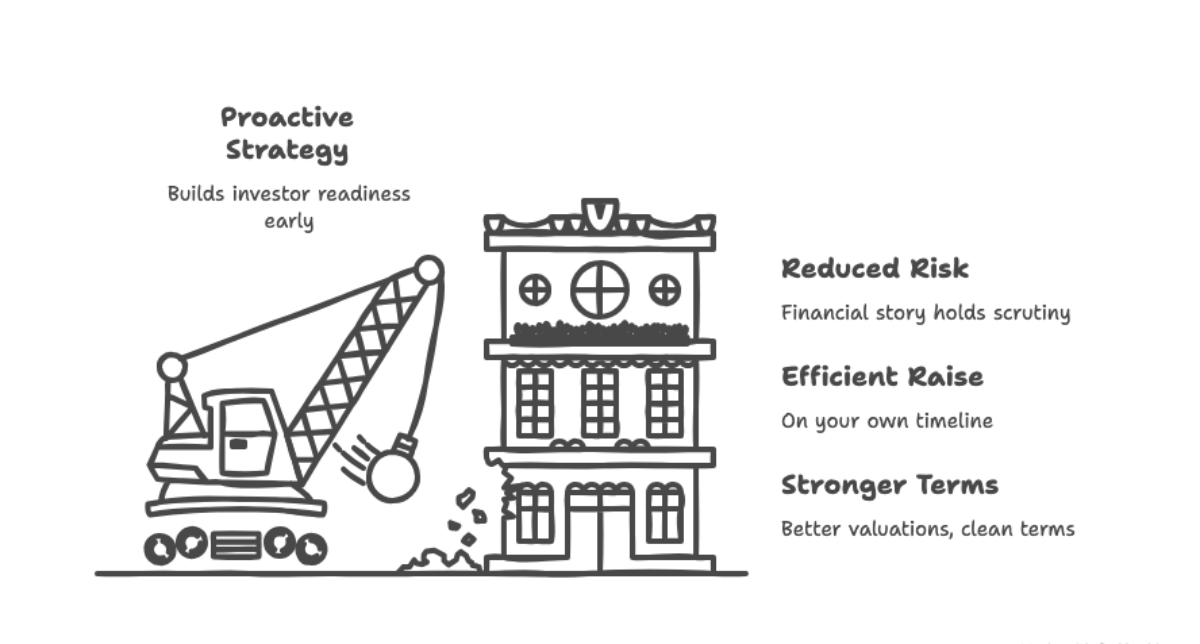
Fundraising Strategy: How to Get Your Business Investor-Ready Before You Need the Money
Most founders start thinking about fundraising strategy the moment they need capital. However, by then, it’s too late to build the case that gets you the best terms. The businesses that raise efficiently, at strong valuations, with clean terms, and on their own timeline did the work months before the first investor call. They built […]
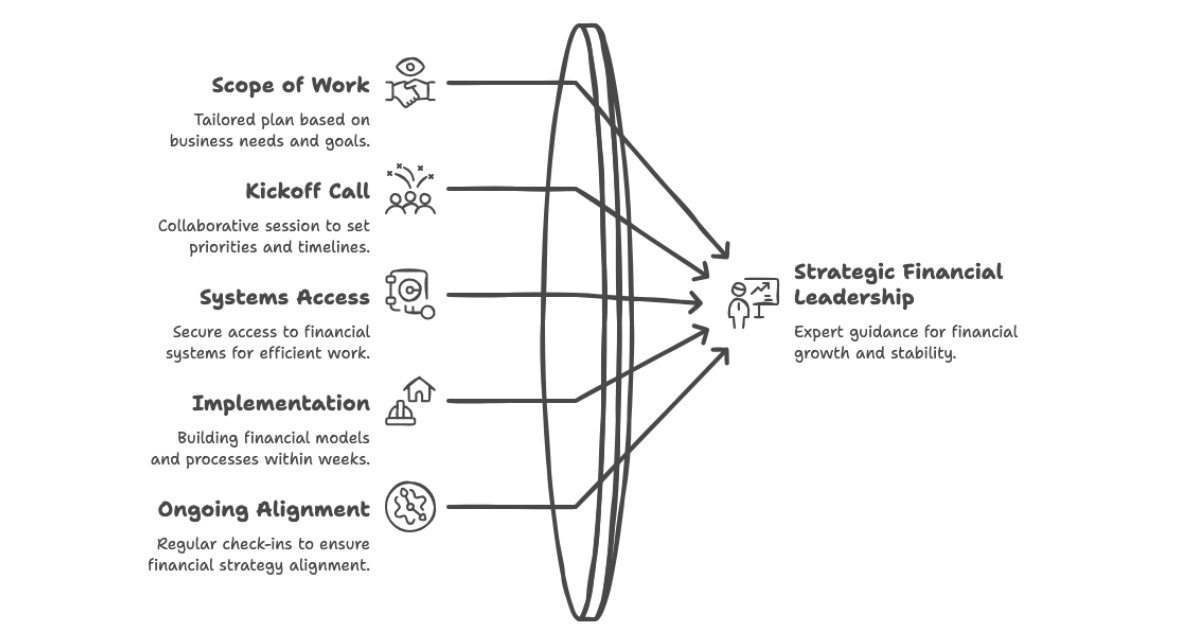
The Fractional CFO Engagement Model: What You Get and How It Works
One of the most common hesitations founders have before starting a fractional CFO engagement isn’t cost; it’s the unknown. What actually happens in week one? Who has access to what? How long until there’s something tangible to show for it? A vague answer is itself a warning sign. A well-run engagement model should be as […]
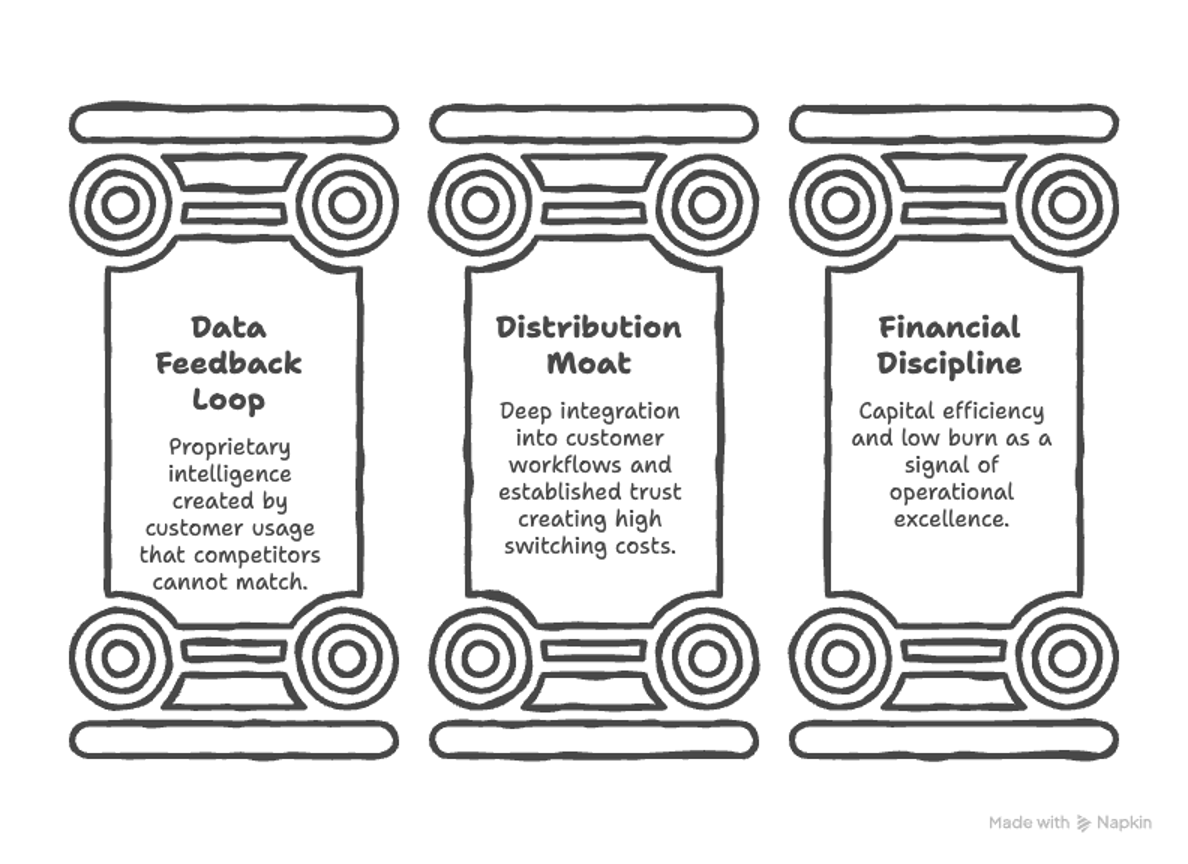
The Fundraising Moat: How to Defend Your Valuation When Anyone Can Build
AI is making software features faster and cheaper to copy. Founders can defend valuation by building durable advantages in proprietary data, distribution, customer trust, workflow integration, and capital-efficient execution.
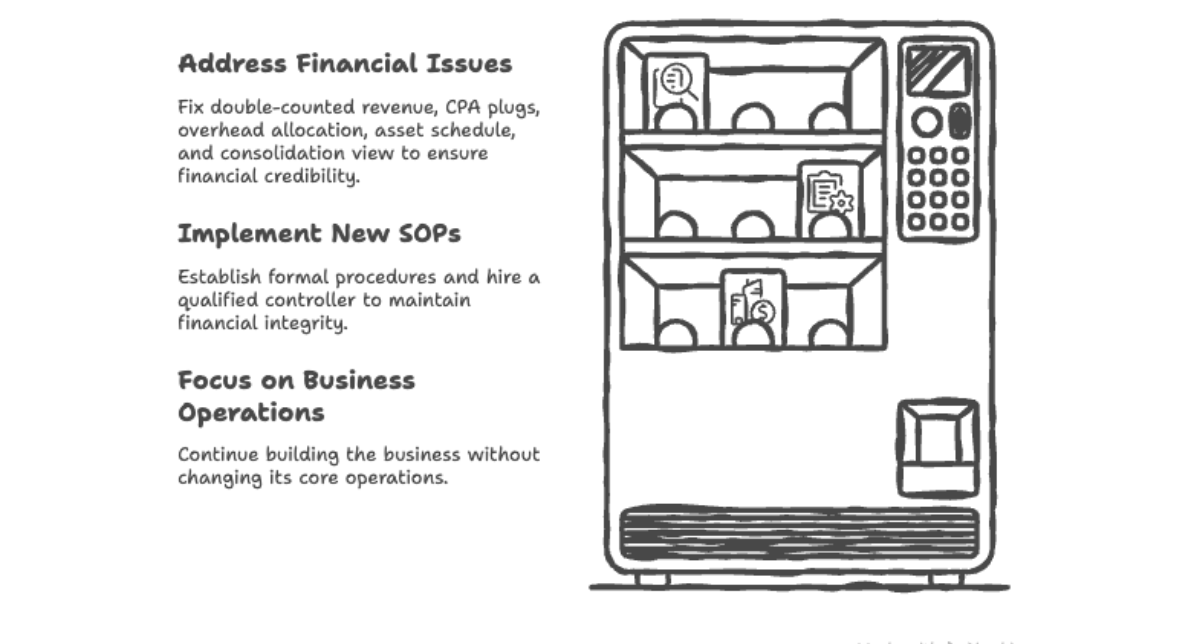
Case Study: Preparing a Founder-Owned Business for a $20M Exit
Four decades old, with real revenue and loyal customers. On paper, this looked like a straightforward exit. In practice, it was anything but that. The company was a founder-owned industrial equipment business built around two entities operating as a single economic machine. One entity bought heavy equipment and modified it for specialized use, handling all […]
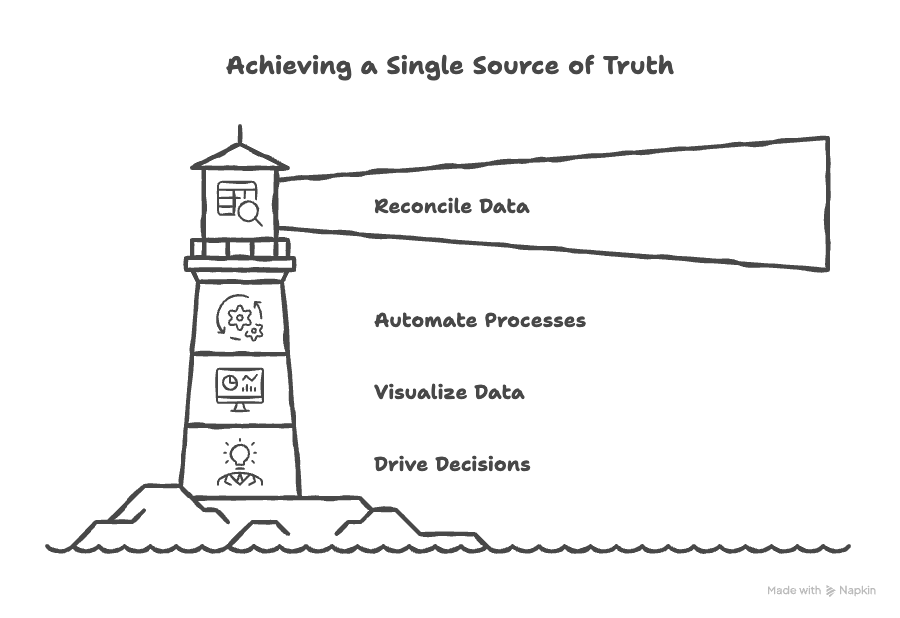
BI & Analytics Implementation: Turning Scattered Data Into a Single Source of Truth
Most growth-stage companies I work with don’t have a data problem; they have a data location problem. The numbers exist, but they’re scattered across two ERPs, a handful of spreadsheets, a payments processor, and someone’s personal tracking file, and no two people in the company would give you the same answer to “what were […]
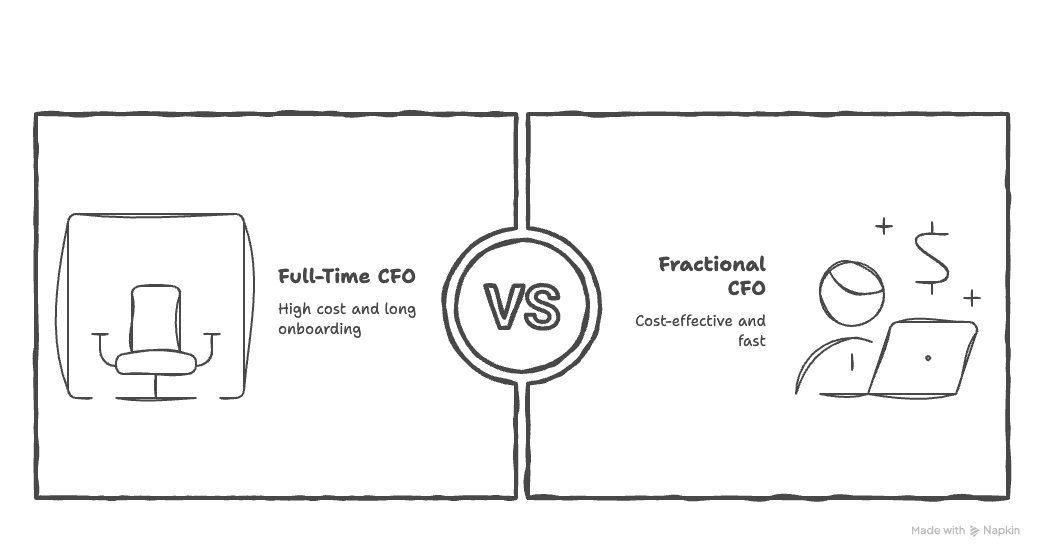
The ROI of a Fractional CFO: What the Numbers Actually Show
“Is this too expensive for a company our size?” It’s the question we hear most, and it’s the wrong question. The right question is what it costs you not to have strategic financial guidance when you’re making a pricing decision, a hiring decision, or walking into a capital raise unprepared. Once you frame it that […]

Confident and Wrong: What a Wine Auction Taught Me About AI’s Analytical Failures
My experimentation with AI for workflows and analysis leads me into some really interesting discussions. The ones I enjoy very much are comparing the "crazy good" and "crazy bad" things that AI can do. Today, I want to talk about "crazy bad". A CFO colleague and wine enthusiast Valentin Recker, and I were catching up...
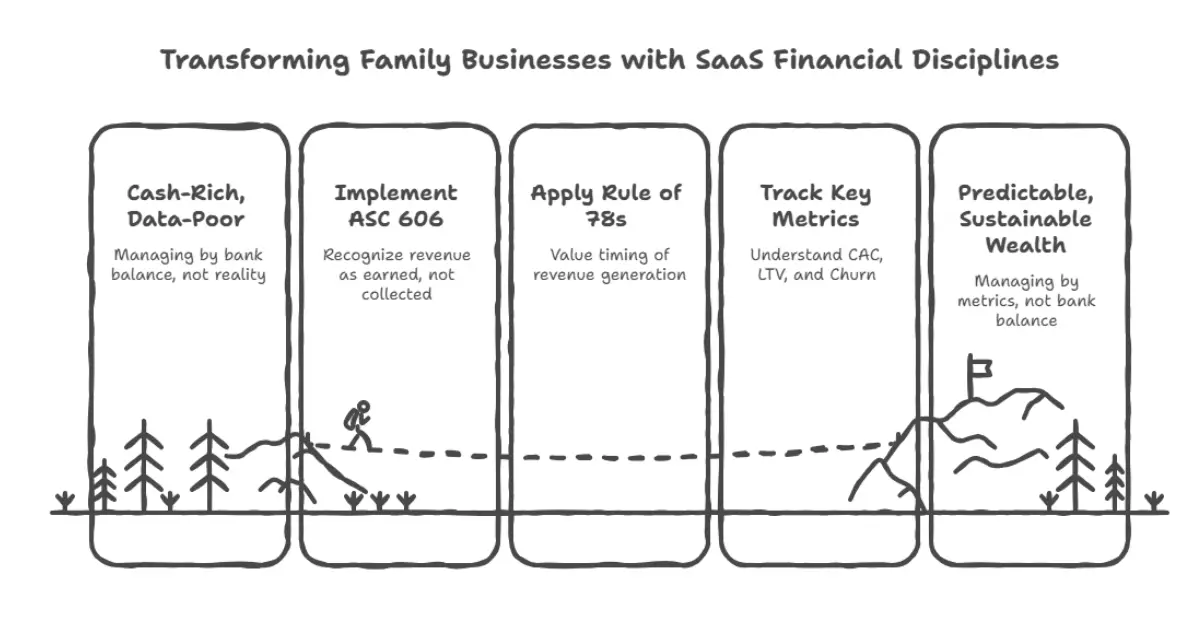
Why Family-Owned Businesses Need to Start Thinking Like SaaS Companies
Most family-owned and small businesses operate with a critical blind spot: they are "Cash Rich but Data Poor." The bank account balance dictates their sense of security, often masking deeper financial inefficiencies. They celebrate when cash flow is strong, yet remain oblivious to their true profitability or the hidden risks lurking in their revenue streams. ...
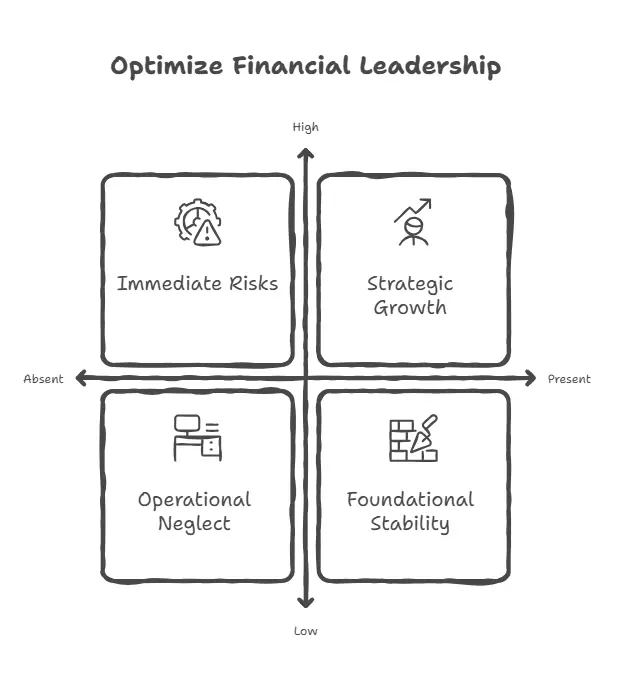
What Happens to Your Business in the Two Weeks After Your CFO Leaves
Most founders assume they can absorb a gap in finance leadership. The core operations are running. Transactions are processing. The team is experienced. Nothing looks broken on day one, so the instinct is to take a breath and start the search process without urgency. That instinct is wrong, and it tends to be expensive. I...
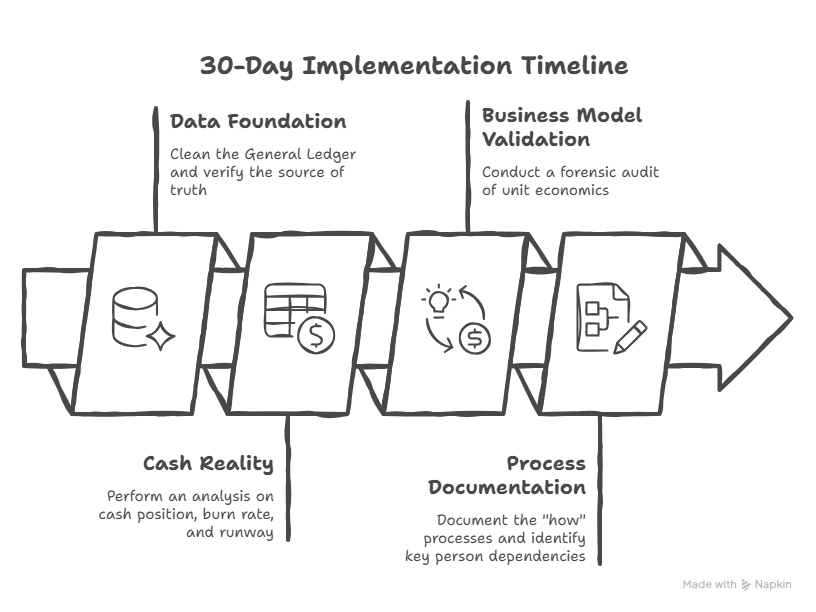
My First 30 Days as Your Fractional CFO
When I step into a new engagement, my focus is on identifying quick wins that create immediate value. Once we succeed in these critical areas, we build momentum and continue to improve systematically. The first 30 days aren't about grand transformation; they're about establishing the financial foundation that makes everything else possible. TL;DR: First, establish...
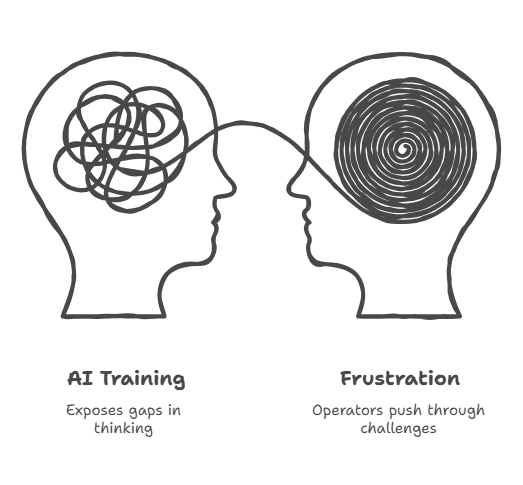
Training an AI Agent Is Teaching You How to Manage: A reflection on patience, process, and the human skills hiding inside the machine
I've been spending a lot of time with Claude lately. Not because I want to but because AI agents are not a mindless effort if you want them to work correctly. Recently, I was at a networking event with other Fractional CFOs, and one of my friends there was explaining Claude to a newbie: "You...
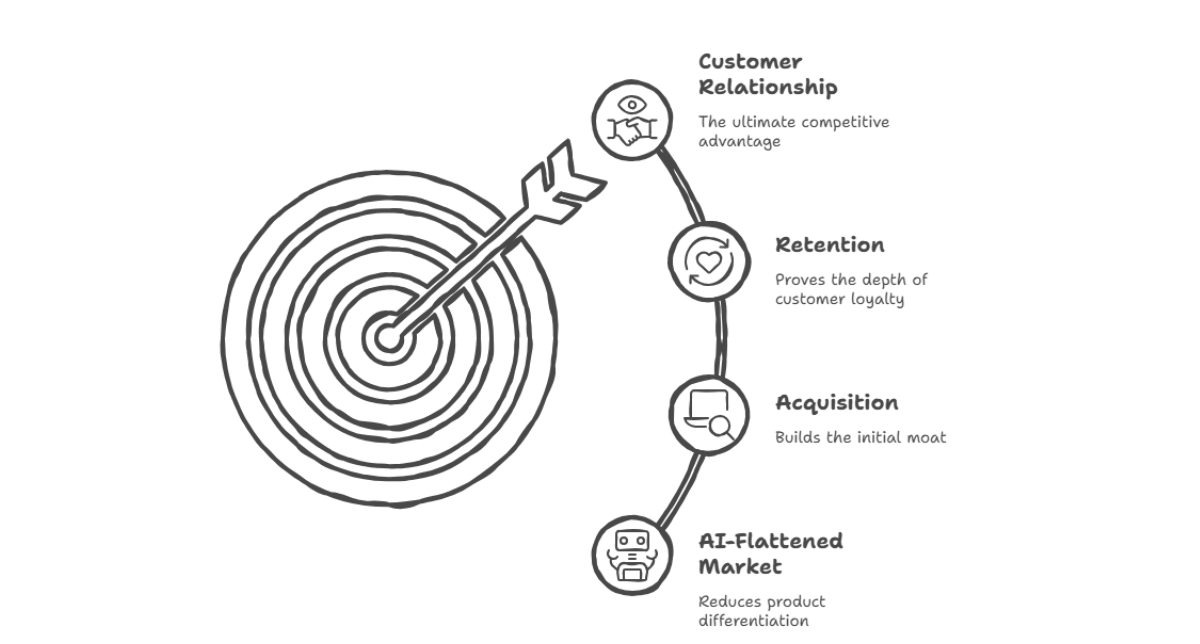
When Everyone Can Build, the Only Moat Is Who You Have and Why They Stay
In my last post, I explored how AI has flattened the innovation economy, making product replication faster and cheaper than at any point in history. If anyone anywhere can build what you built, the natural follow-on question is uncomfortable: what, exactly, is your competitive advantage? The answer is not your technology. It is not your...
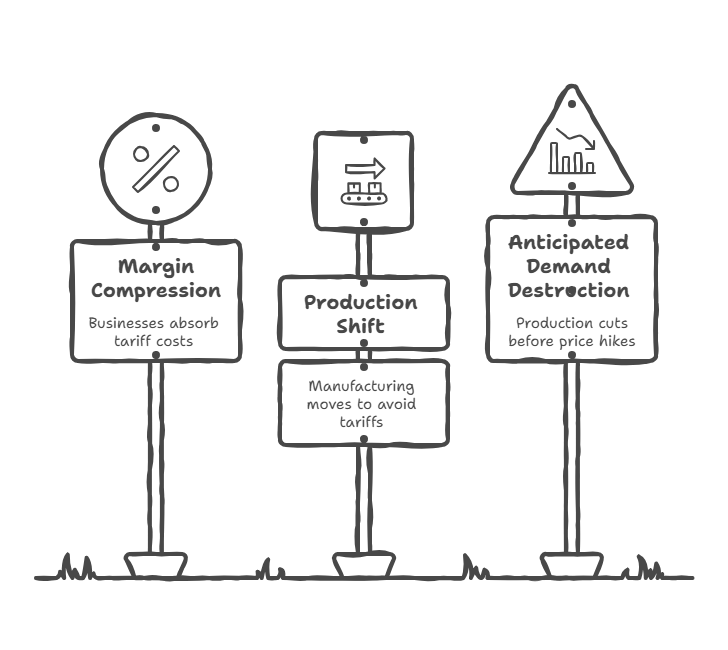
Why Tariff Increases Haven’t Shown Up in Inflation—Yet: A CFO’s Real-World Perspective on E-Commerce and Consumer Packaged Goods
Last year, when tariffs were introduced, I wrote a blog article about how they represented a critical kitchen table issue for many small American businesses that have built their business models around contract manufacturing in China and selling through U.S. retail channels—often their own web properties or Amazon—directly to American consumers. This represents a significant...
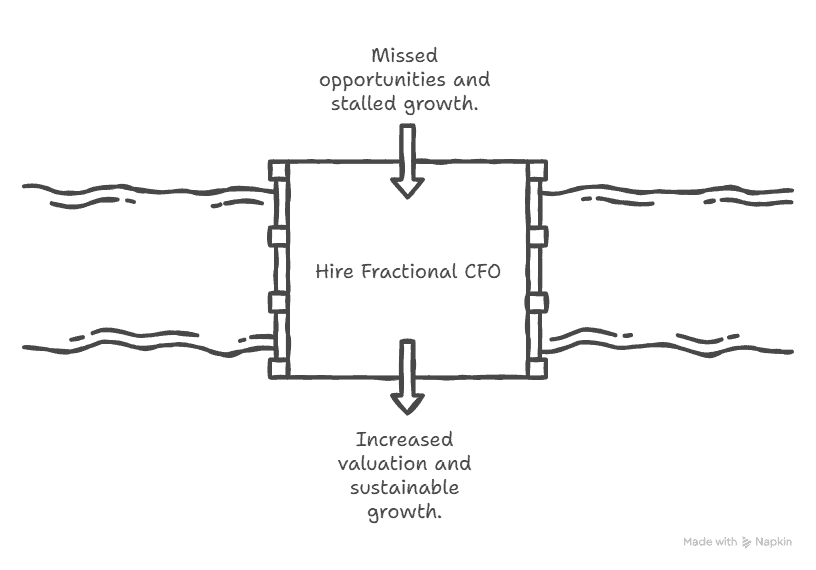
The Real Cost of DIY Financial Operations
Table of ContentsThe Hidden Multiplication of InexpertiseWhat Founders Mean When They Say “I’ve Got This”How DIY Finance Damage Compounds Over Time for Financial HealthYear OneYear TwoYear ThreeYear FourWhat Financial Expertise and Cash Flow Management Actually MeanThe Investor Perspective Founders Rarely SeeThe Scaling CeilingWhat Proper Financial Support ChangesClarity Replaces ConfusionConfidence Replaces AnxietyStrategic Financial Plan Replaces ReactionFreedom...
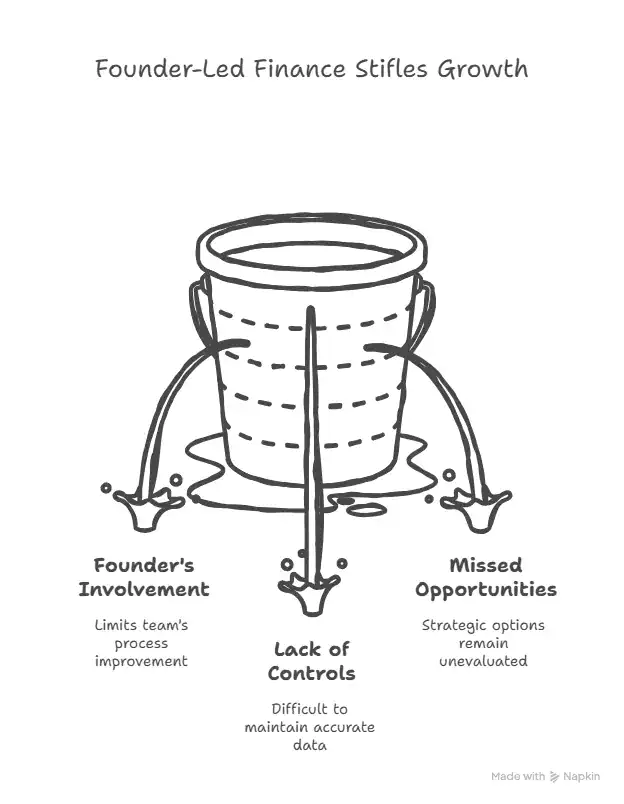
When Fractional CFO Can Solve Founder Bottlenecks Costing You Growth
Table of ContentsThe Founder Finance TrapWhat “Bottleneck” Really MeansDelayed DecisionsMissed OpportunitiesExhausted LeadershipConstrained HiringEvaluating Financial NeedsThe Full-Time CFO DilemmaHow Fractional CFO Services Bridge the GapWhat Experienced Fractional CFOs Actually DoStrategic Financial PlanningCash Flow ManagementCapital Event PreparationInfrastructure DevelopmentThe Economics That Actually MatterWhy Fractional CFO Experience Is DifferentWhat the Transition Looks LikeSigns You’re ReadyAchieving Business GoalsThe Strategic DifferenceMoving...

How Fractional CFOs Use Scenario Planning for Strategic Decisions
Fractional CFO > How FFractional CFO Use Scenario Planning for Strategic DecisionsDecember 4, 2025Fractional CFOTL;DR: Most major business decisions do not fail because leadership teams are careless or uninformed. They fail because organizations build strategies around a single expected outcome. The companies that navigate volatility best are not necessarily better at prediction. They are better prepared...

The CFO’s Paradox: Managing Risk
Fractional CFO > The CFO's Paradox: Managing Risk November 30, 2025 CFO Services, Financial Planning, Fractional CFO Services, Outsourced CFO Services, Roles of a Fractional CFO, Strategic Planning, I’ve watched CEOs who built companies from nothing suddenly freeze when faced with decisions that would have been easy calls five years earlier. Success rewrites the rules of risk. When you’re bootstrapping, every decision...

How to Use Our Asset Backed Loans Calculator (And Why It Matters)
Table of ContentsIntroduction to Asset Based LendingIntroduction to Asset Based LendingWhy You Need an Asset-Backed Loan CalculatorUnderstanding the Borrowing Base CalculationIndustry-Standard Advance RatesEligible Assets for LoansEligible Assets for LoansHow to Use Our Advanced Asset-Backed Loan CalculatorStep-by-Step Process:Asset Based Lending ExampleAdvanced Features and Ongoing ManagementMonthly Reporting RequirementsField Examinations and AuditsPrivate Credit OptionsComparing Asset-Backed Loans with Alternative...
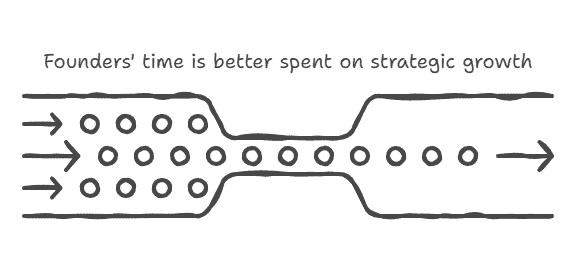
When Founders Should Stop Managing Their Own Finances: The $5M Revenue Inflection Point
Every founder we meet manages their own finances until the day they realize they shouldn't. Business owners, not just founders, often face similar challenges when trying to handle company finances without the benefit of strategic financial leadership. That moment of realization usually comes in one of three forms: The panicked call to their accountant because...